
Introduction
In today’s competitive business landscape, having a strong online presence is no longer optional — it’s essential. For small businesses, digital marketing provides an affordable and measurable way to reach potential customers, build brand awareness, and drive sales. Unlike traditional marketing methods, digital marketing allows you to target specific audiences, track results, and optimize campaigns in real-time.
This guide will walk you through the most effective digital marketing strategies for small businesses, including SEO, PPC, social media marketing, and content marketing, helping you grow your business online.
Why Small Businesses Need Digital Marketing
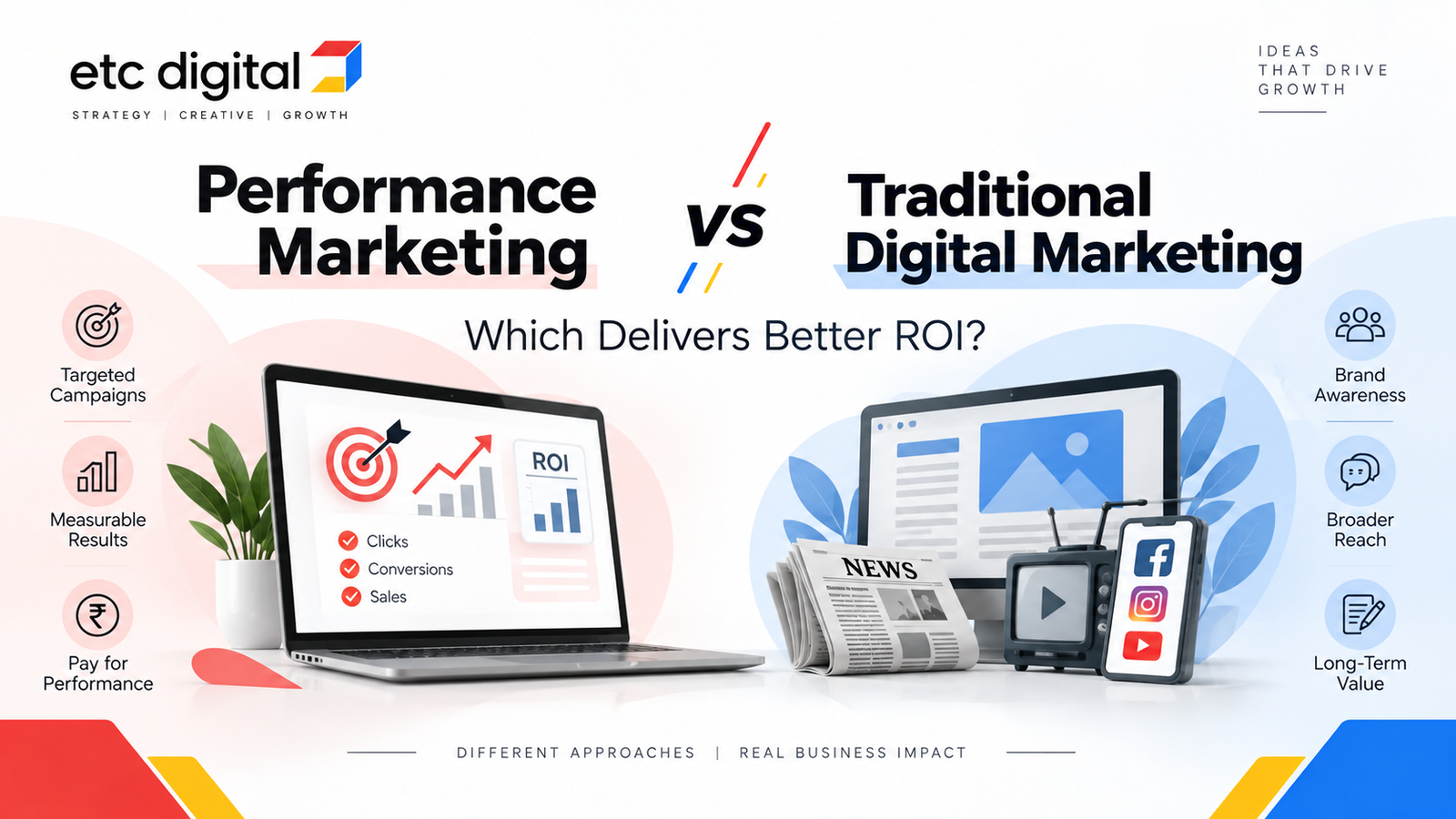
Traditional marketing like flyers, TV, or newspaper ads can be expensive and difficult to measure. Digital marketing offers several advantages for small businesses:
-
Cost-Effective: Many digital marketing strategies are low-cost compared to traditional advertising.
-
Targeted Audience: Reach customers who are actively searching for your products or services.
-
Measurable Results: Track every click, view, or conversion.
-
Brand Building: Increase online visibility and build trust with potential customers.
For small businesses with limited budgets, digital marketing allows you to compete with larger companies and reach your target audience efficiently.
Search Engine Optimization (SEO) for Small Businesses
SEO is the process of improving your website’s visibility on search engines like Google. The higher your site ranks for relevant keywords, the more organic traffic you receive.
Key SEO Strategies:
-
Keyword Research: Identify what potential customers are searching for.
-
On-Page SEO: Optimize titles, meta descriptions, headings, and content.
-
Local SEO: Target local searches with Google My Business and location-based keywords.
-
Quality Content: Regularly publish informative blogs, guides, or videos.
-
Backlinks: Earn links from reputable websites to boost credibility.
SEO is a long-term investment that drives sustainable traffic and helps small businesses gain visibility without ongoing ad spend.
Pay-Per-Click (PPC) Advertising
PPC advertising allows small businesses to appear at the top of search engine results instantly. You pay only when someone clicks on your ad, making it a measurable and cost-effective strategy.
Benefits of PPC:
-
Immediate Results: Unlike SEO, PPC delivers traffic as soon as campaigns are live.
-
Targeted Ads: Reach users by location, interests, search queries, or device.
-
Budget Control: You can set daily or monthly budgets to manage spending.
Small businesses can use PPC campaigns on Google Ads, Facebook Ads, or Instagram Ads to drive traffic, generate leads, and even increase in-store visits.
Social Media Marketing
Social media platforms like Facebook, Instagram, LinkedIn, and Twitter offer small businesses the chance to engage with their audience directly.
Why Social Media Matters:
-
Build Brand Awareness: Regular posting and engagement increase visibility.
-
Customer Engagement: Replying to comments, messages, and reviews builds trust.
-
Targeted Advertising: Run ads to reach your ideal audience based on demographics and interests.
-
Content Sharing: Share blogs, videos, and promotions to attract followers.
Consistent social media marketing helps small businesses stay connected with their audience and turn followers into loyal customers.
Content Marketing
Content marketing focuses on creating valuable, relevant content to attract and retain customers. This could include blogs, videos, infographics, guides, or podcasts.
Benefits of Content Marketing:
-
Boost SEO: High-quality content improves search rankings.
-
Educate Customers: Content helps explain your products or services.
-
Build Authority: Establish your business as an expert in your industry.
-
Generate Leads: Include calls-to-action in content to convert readers into leads.
By combining content marketing with SEO, small businesses can increase organic traffic, engagement, and conversions over time.
Email Marketing
Email marketing remains one of the most cost-effective channels for small businesses.
-
Stay Connected: Keep customers informed about new products, offers, and events.
-
Nurture Leads: Build relationships with potential customers through targeted campaigns.
-
Trackable: Measure open rates, clicks, and conversions to improve future campaigns.
A strong email strategy can turn one-time visitors into repeat customers, making it a vital part of any small business digital marketing plan.
Measuring Success: Analytics and Reporting
One of the biggest advantages of digital marketing is that everything is measurable. Small businesses can track website traffic, conversions, ad performance, and social engagement using tools like Google Analytics, Google Search Console, and Facebook Insights.
Regularly reviewing analytics helps you:
-
Identify which campaigns are performing well.
-
Optimize underperforming ads or content.
-
Make informed decisions for future marketing strategies.
Tips for Small Businesses Starting Digital Marketing
-
Start Small: Focus on 1–2 channels first and expand gradually.
-
Set Clear Goals: Define objectives like lead generation, sales, or website traffic.
-
Know Your Audience: Understand demographics, needs, and online behaviour.
-
Consistency is Key: Regular content posting and engagement yield better results.
-
Test and Optimize: Continuously analyze and adjust campaigns based on performance.

Conclusion
Digital marketing offers small businesses a level playing field to compete with larger brands. By using SEO to improve organic traffic, PPC to drive immediate leads, social media to engage audiences, and content marketing to educate and convert customers, small businesses can achieve significant growth online.
Investing time and resources in a strategic digital marketing plan will not only increase visibility but also generate sustainable leads, conversions, and long-term success. For small businesses looking to expand their reach, now is the time to embrace digital marketing fully.